
Why Shade Trees Matter in Jacksonville Landscapes
Best shade trees for Jacksonville landscapes do far more than block the sun. When selected carefully, they reduce heat, protect homes, and define outdoor spaces for decades. Because Northeast Florida combines sandy soils, intense summer heat, and seasonal storms, tree selection requires more than aesthetics alone.
Additionally, well-chosen shade trees improve comfort while increasing long-term property value. As a result, homeowners, builders, and designers benefit most when trees are selected for proven regional performance rather than short-term trends.
At Township Design, we rely on Florida-appropriate trees that have demonstrated reliability across Jacksonville neighborhoods and developments.
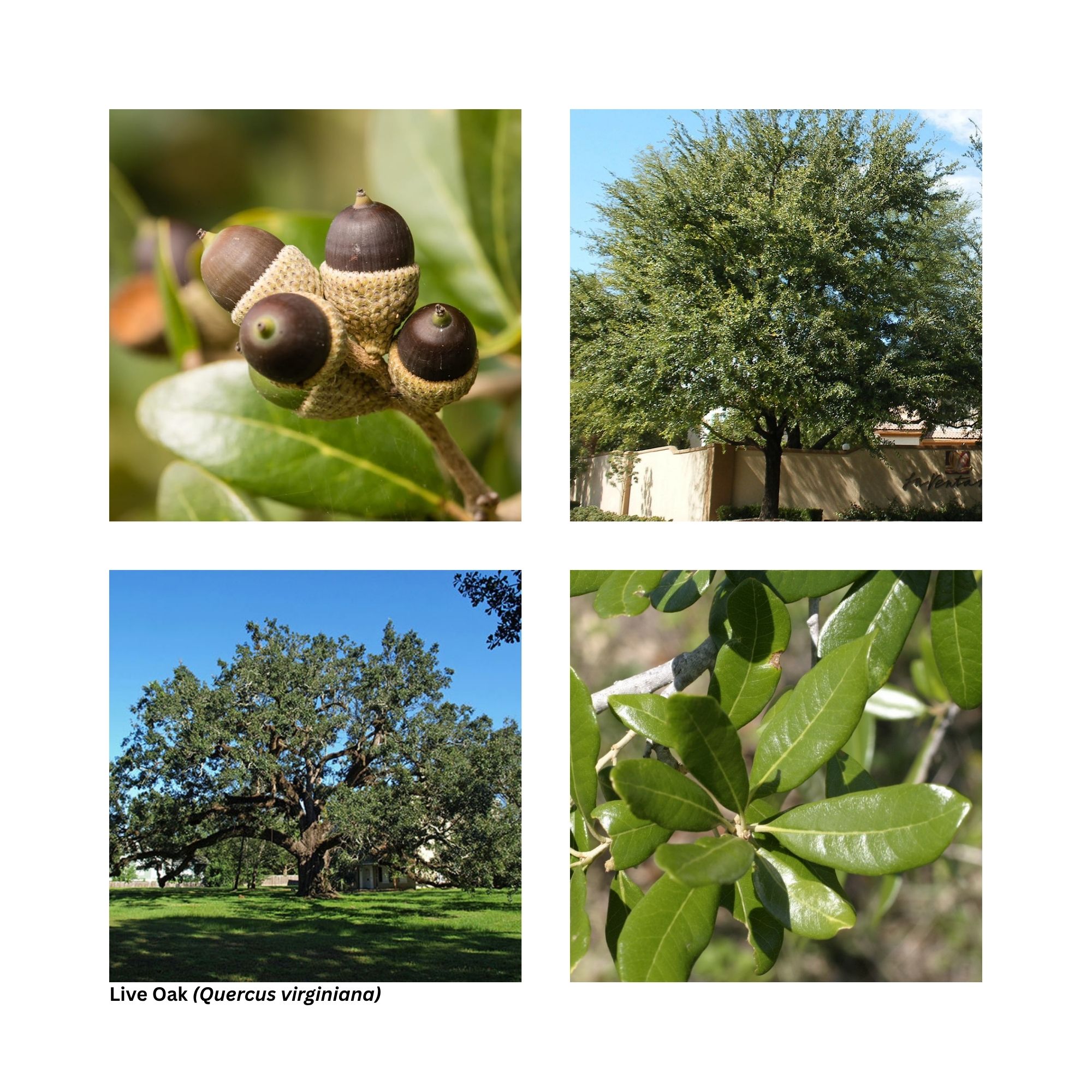
#1 Live Oak (Quercus virginiana)
Live Oak remains the gold standard among shade trees in North Florida. Its broad, evergreen canopy provides year-round shade, while its strong branching structure performs exceptionally well during storms.
Additionally, Live Oaks tolerate a wide range of soil conditions, including coastal and upland sites. Because of their longevity, they are best suited for locations where long-term space planning has been considered.
Best uses:
Front yards, streetscapes, and large residential properties
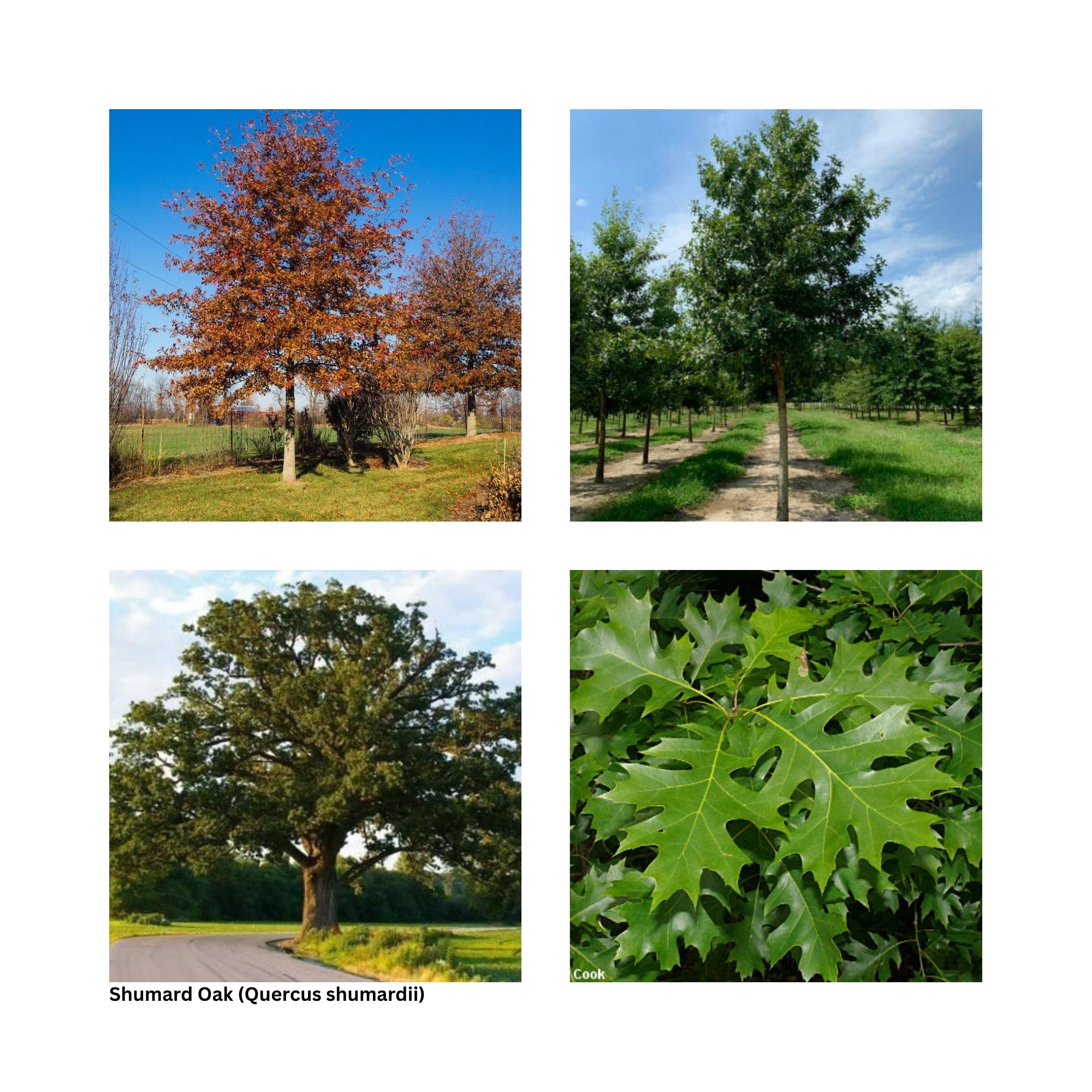
#2 Shumard Oak (Quercus shumardii)
Shumard Oak combines fast growth with firm structure and striking fall color. Unlike some fast-growing species, it maintains good form while adapting to both moist and well-drained soils.
Meanwhile, its upright habit allows it to fit more comfortably into moderately sized sites.
Best uses:
Neighborhood streets, large residential lots
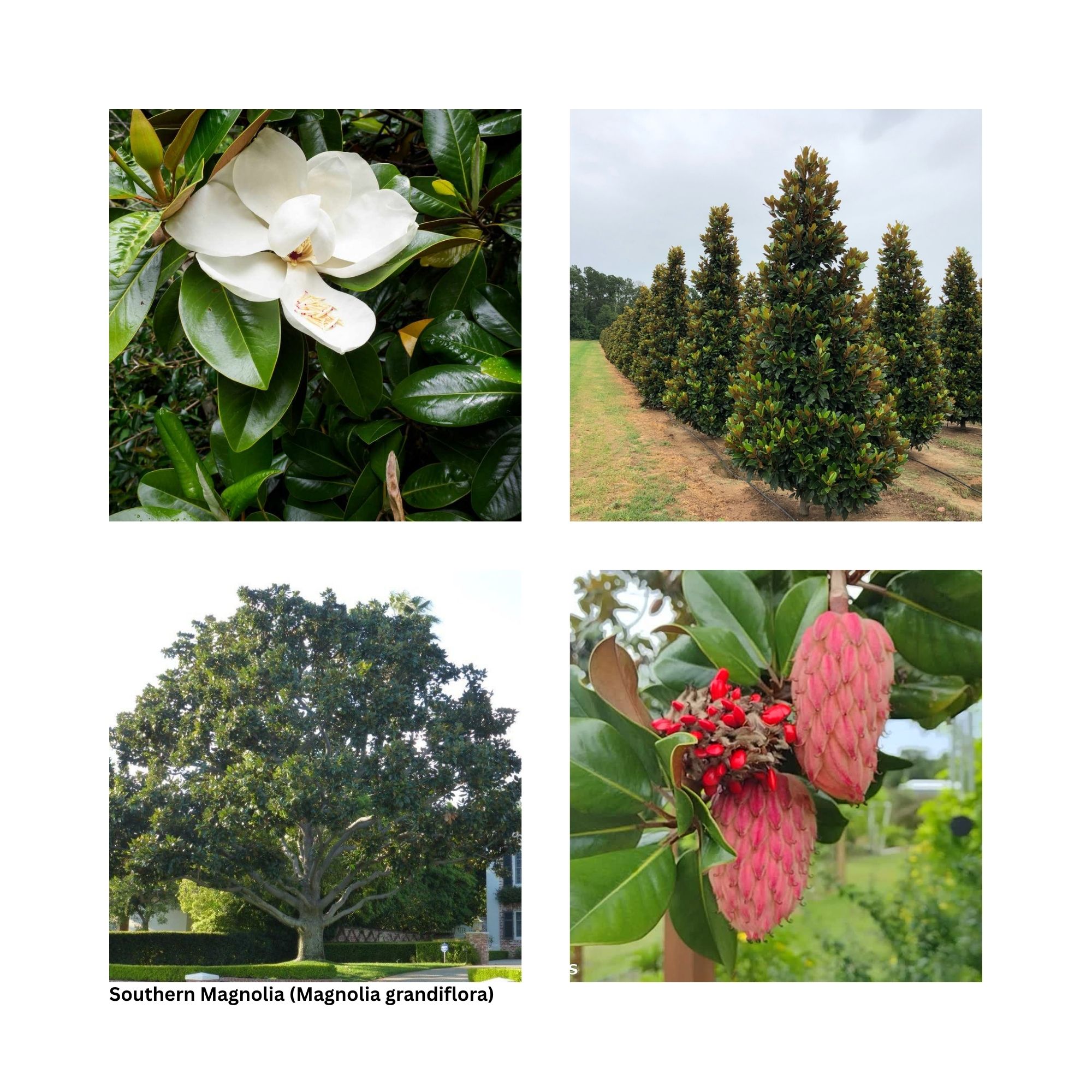
#3 Southern Magnolia (Magnolia grandiflora)
Southern Magnolia provides dense evergreen shade and iconic white blooms. Its glossy foliage adds year-round structure, making it especially effective near entries and prominent landscape zones.
However, this tree performs best when given adequate space and airflow. When placed correctly, it becomes a defining architectural feature.
Best uses:
Entry features, specimen plantings, foundation offsets
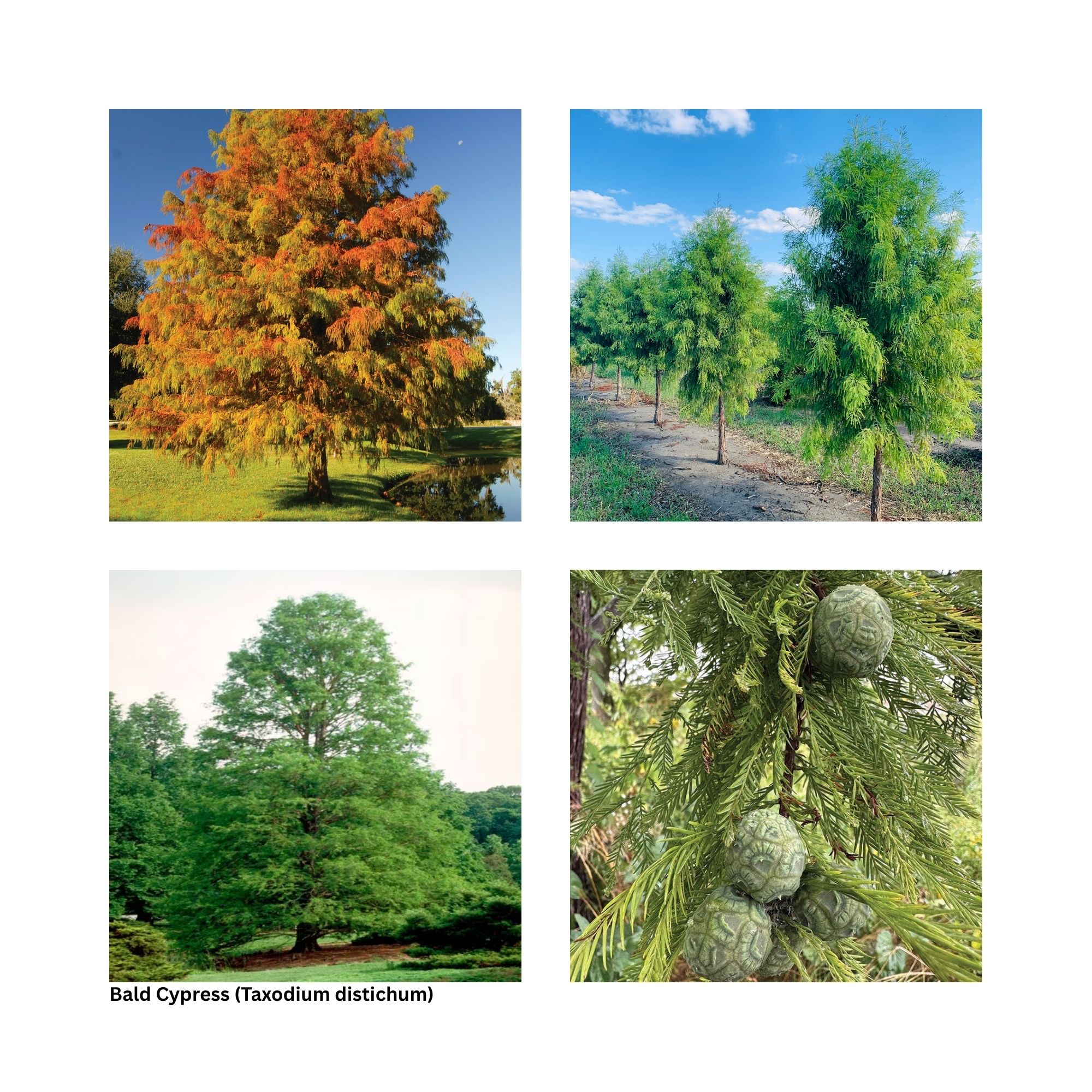
#4 Bald Cypress (Taxodium distichum)
Bald Cypress stands out for its adaptability. While commonly associated with wetlands, it also performs well in upland soils once established.
As a result, it works exceptionally well near retention ponds and low-lying areas. Its fine texture also contrasts beautifully with broadleaf trees.
Best uses:
Pond edges, stormwater areas, open landscapes
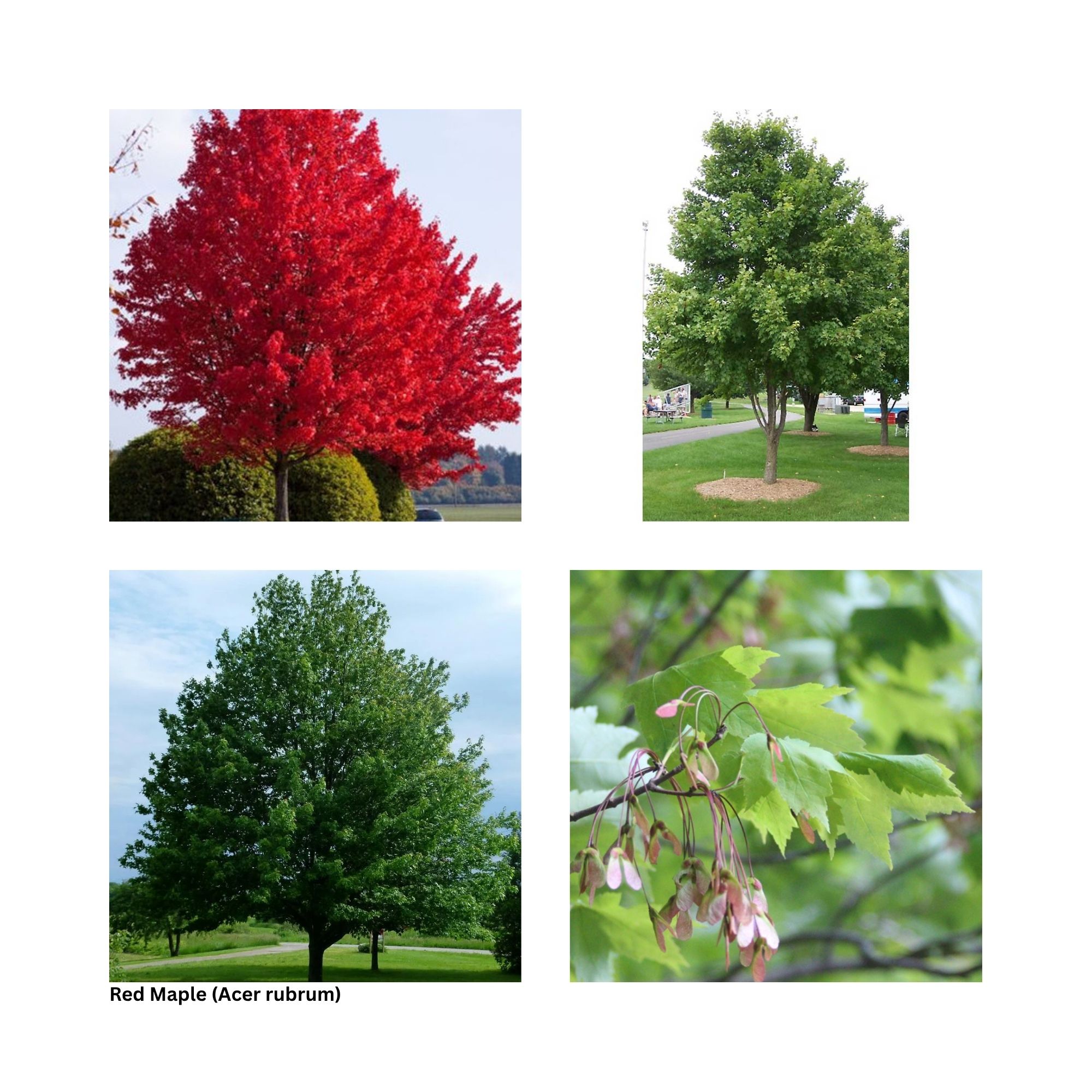
#5 Red Maple (Acer rubrum)
Red Maple offers quick canopy development and vivid fall color. Because it tolerates wetter soils, it often succeeds where other shade trees struggle.
That said, it performs best when grouped or placed away from pavement and compacted soils.
Best uses:
Retention areas, naturalized groupings
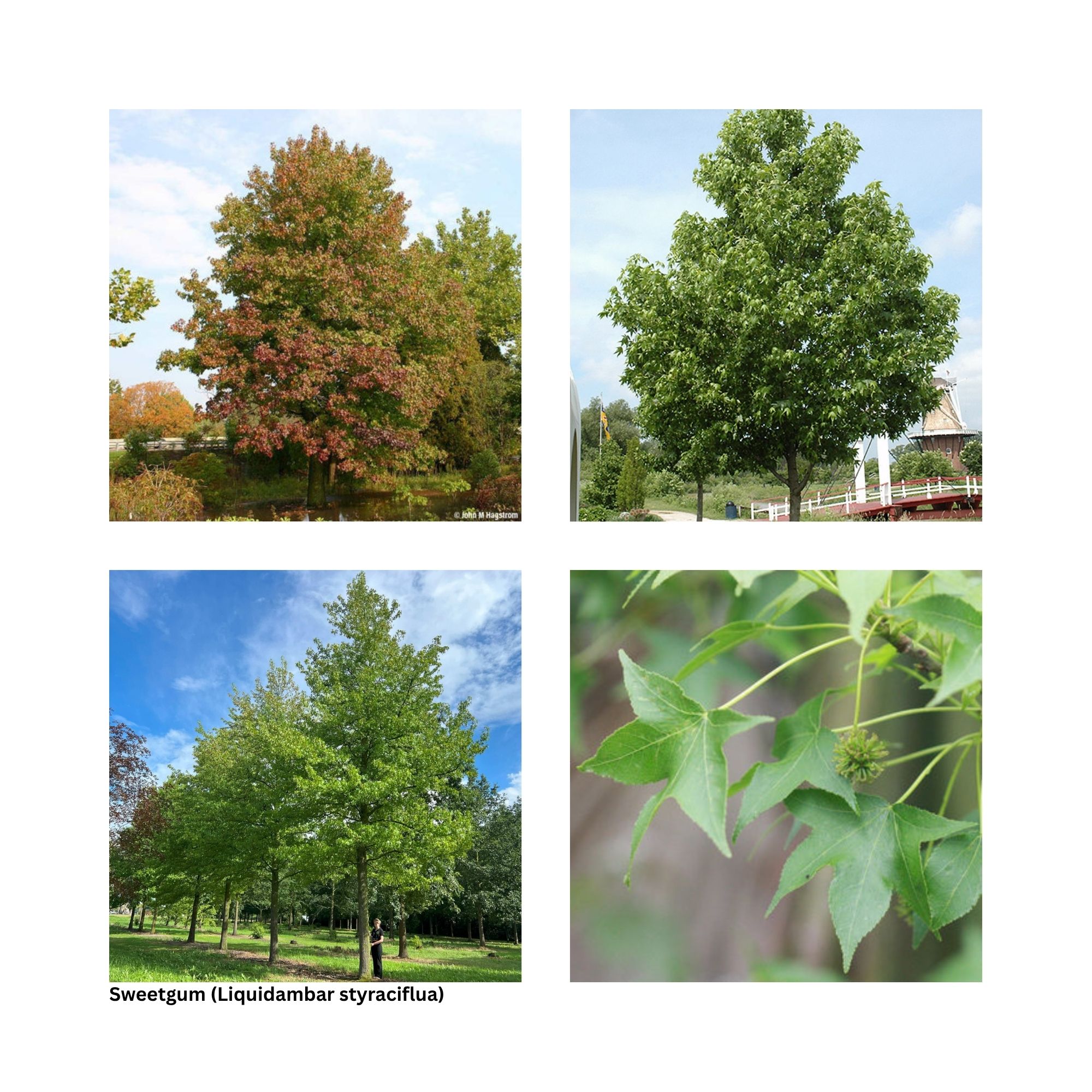
#6 Sweetgum (Liquidambar styraciflua)
Sweetgum is fast-growing, colorful, and visually striking in larger spaces. It delivers excellent fall color while developing a tall, upright canopy over time.
Additionally, Sweetgum adapts well to a range of soil conditions when given room to grow.
Best uses:
Large residential lots, open green spaces
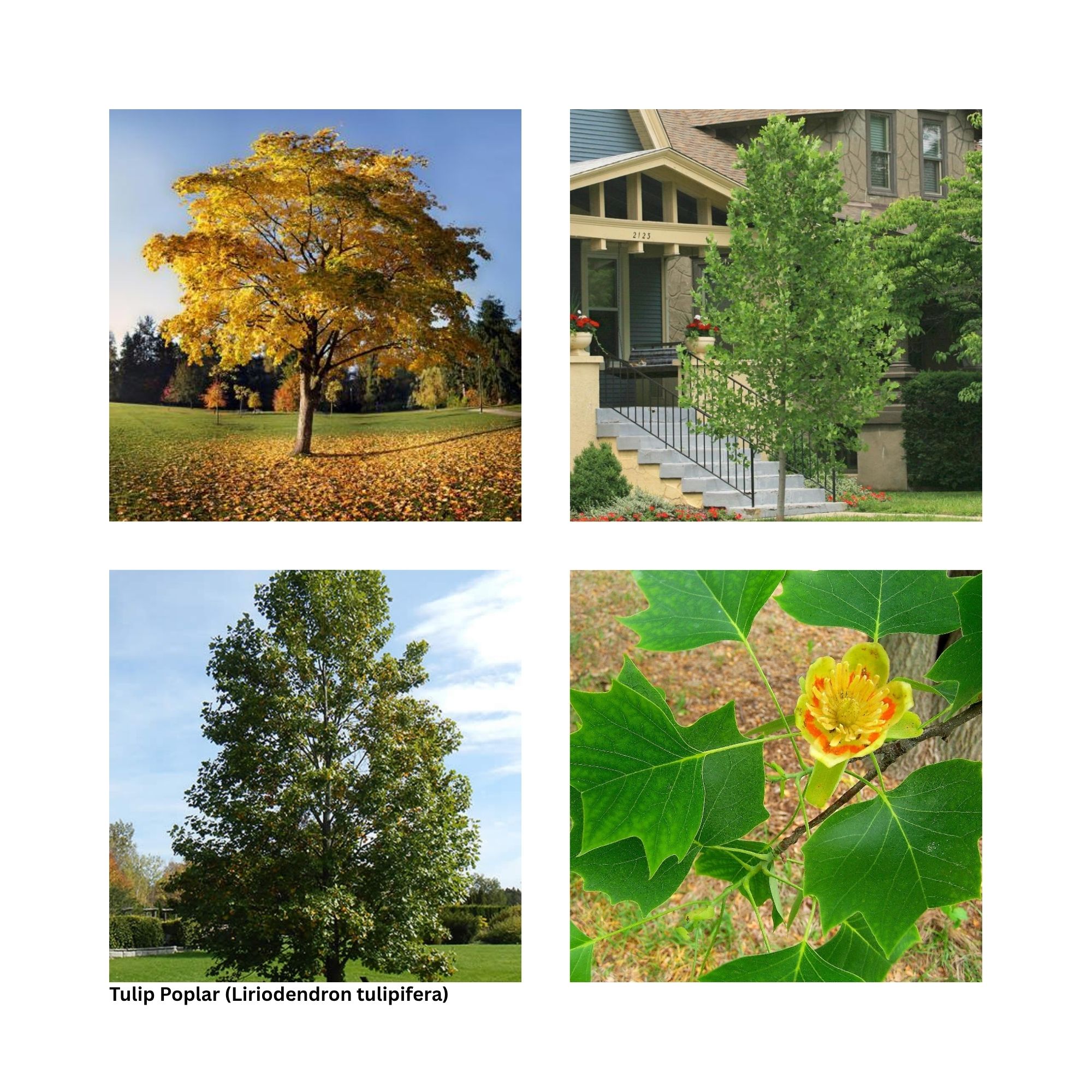
#7 Tulip Poplar (Liriodendron tulipifera)
Tulip Poplar is a standout shade tree known for its large leaves and distinctive tulip-shaped spring flowers. Because of its size, it performs best in open areas where it can grow without restriction.
Meanwhile, its straight trunk and tall canopy make it an excellent option for creating vertical scale.
Best uses:
Open lawns, large properties, park-like settings
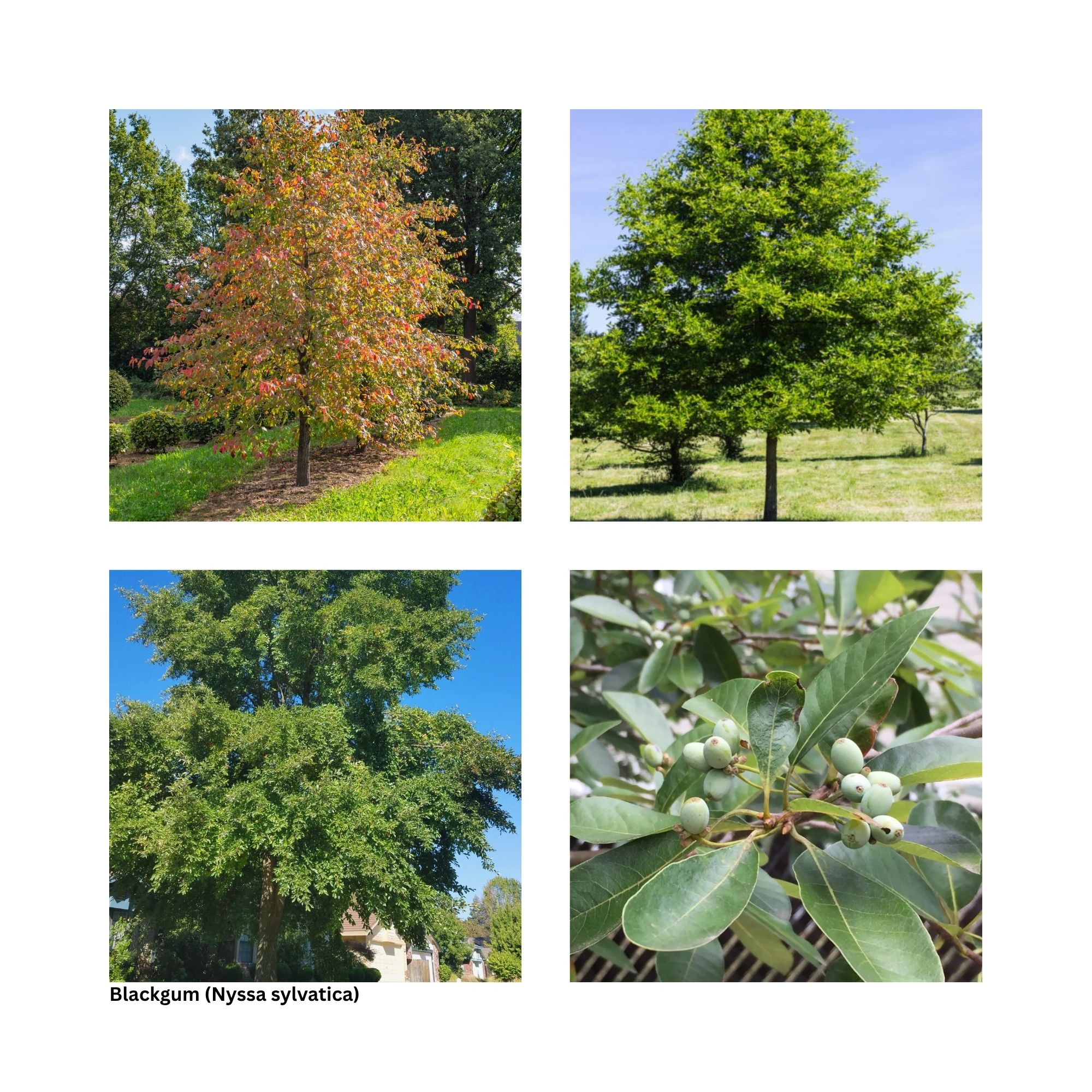
#8 Blackgum (Nyssa sylvatica)
Blackgum is highly adaptable and valued for its brilliant red fall color. It also supports wildlife, making it an excellent native choice for ecologically minded landscapes.
As a result, it works well in both formal and naturalized settings when adequate space is provided.
Best uses:
Residential landscapes, mixed native plantings
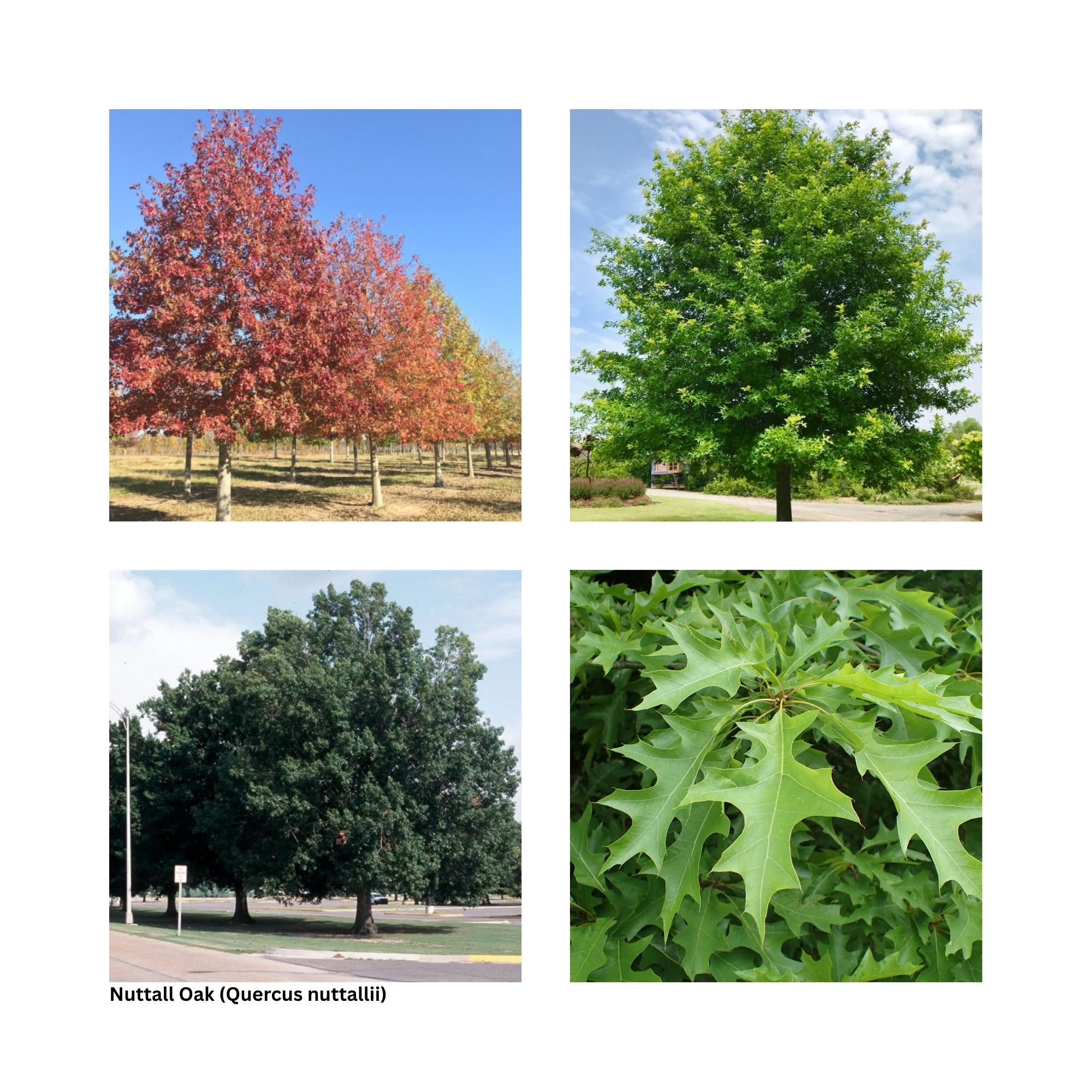
#9 Nuttall Oak (Quercus nuttallii)
Nuttall Oak is a highly adaptable native oak valued for its reliable canopy and tolerance of wetter soils. Because of this, it performs exceptionally well in low-lying areas and large-scale developments.
Additionally, it develops strong branching and a consistent form over time. As a result, it is often specified where durability and longevity are priorities.
Best uses:
Large residential lots, developments, and low areas with seasonal moisture
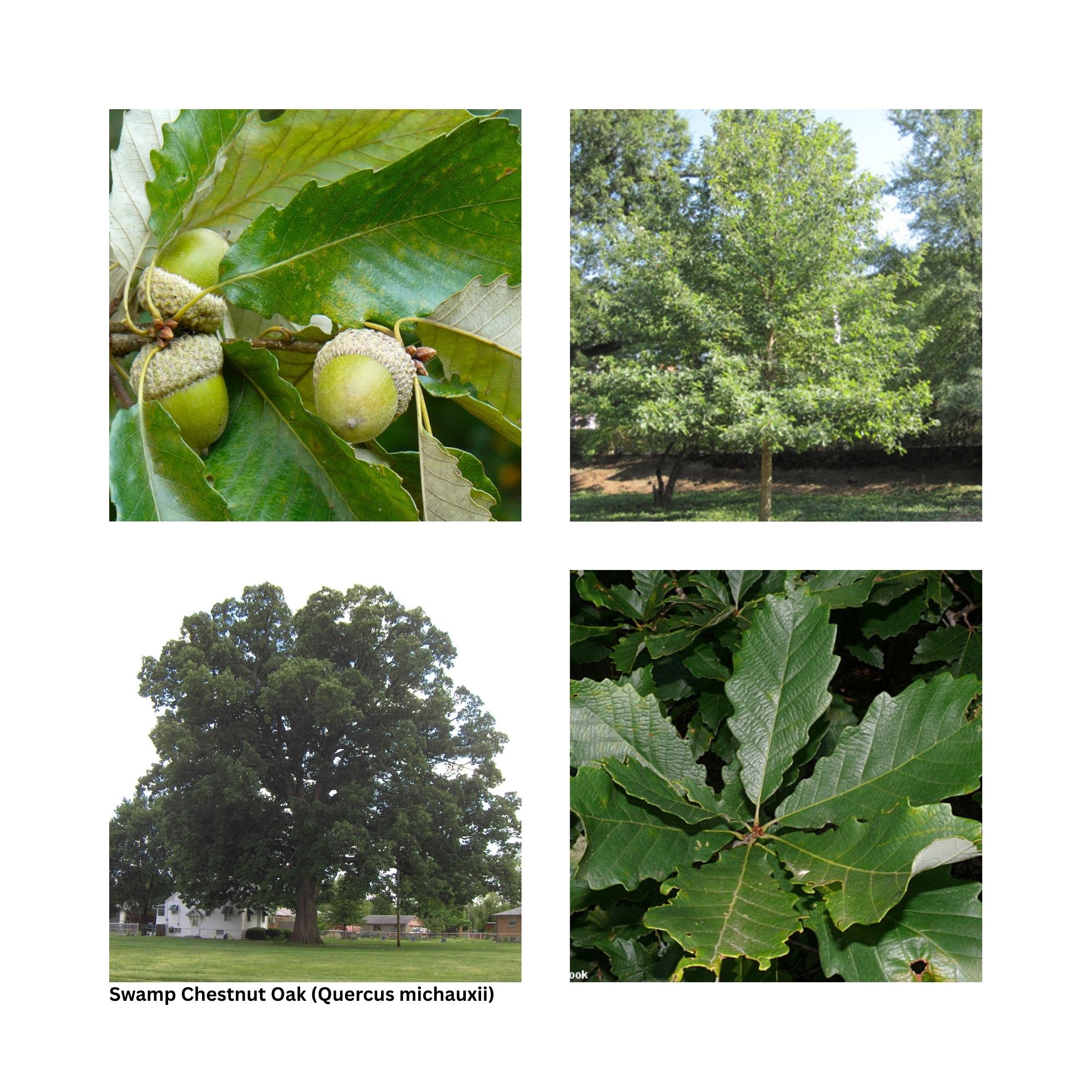
#10 Swamp Chestnut Oak (Quercus michauxii)
Swamp Chestnut Oak thrives in moist to occasionally wet soils while still performing well in upland conditions. Its large leaves and strong structure make it an excellent shade tree for North Florida.
Meanwhile, its adaptability allows it to bridge the gap between naturalized and formal landscapes.
Best uses:
Transitional landscapes, large properties, wetter sites
Choosing the Right Shade Tree for Your Site
Ultimately, selecting the best shade trees for Jacksonville depends on matching tree characteristics to site conditions. Soil type, available space, and long-term maintenance expectations all play a role.
For that reason, planning matters. When trees are selected thoughtfully, they become the foundation of a successful landscape.
👉 Explore our landscape design services → Explore our landscape design services
👉 Another great resource → Florida-Friendly Landscaping™ principles (IFAS or City of Jacksonville)
Ready to Plan Your Landscape Canopy?
If you’re planning a new landscape or refining an existing one, Township Design can help you select trees that perform beautifully over time. Request a free landscape consultation today – click here.