
Why pools & outdoor living projects are multi-permit jobs in Jacksonville.
Builders who regularly deliver custom homes know this already: The outdoor scope is rarely just “landscape.”
In Jacksonville and throughout Northeast Florida, residential pools, cabanas, and high-end outdoor living features trigger multiple permits, trade reviews, and inspections, often across different departments and disciplines. Treating these elements as add-ons instead of integrated construction scopes is one of the most common causes of permit delays, redesigns, and field conflicts.
This article outlines why outdoor projects are inherently multi-permit jobs and how early coordination helps builders avoid unnecessary friction.
Pools Are Structural Projects, Not Amenities
An inground swimming pool is regulated as a structural improvement, not a landscape feature. As a result, pool installations typically require:
- A building permit for the pool shell
- Electrical permits for bonding, lighting, and equipment
- Plumbing permits for circulation and drainage
- Mechanical permits for heaters or heat pumps
Pool placement must also comply with setback requirements, flood zone regulations, and barrier codes, often affecting adjacent decks, drainage patterns, and landscape design.
When pool and landscape scopes are developed independently, conflicts often arise late in permitting or during inspections.
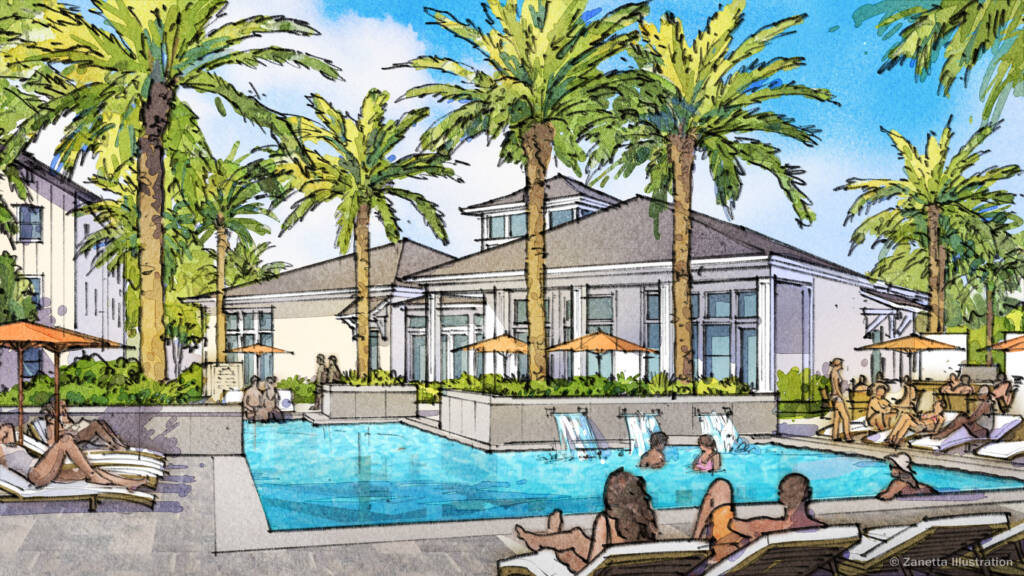
Cabanas & Outdoor Structures Trigger Full Building Review
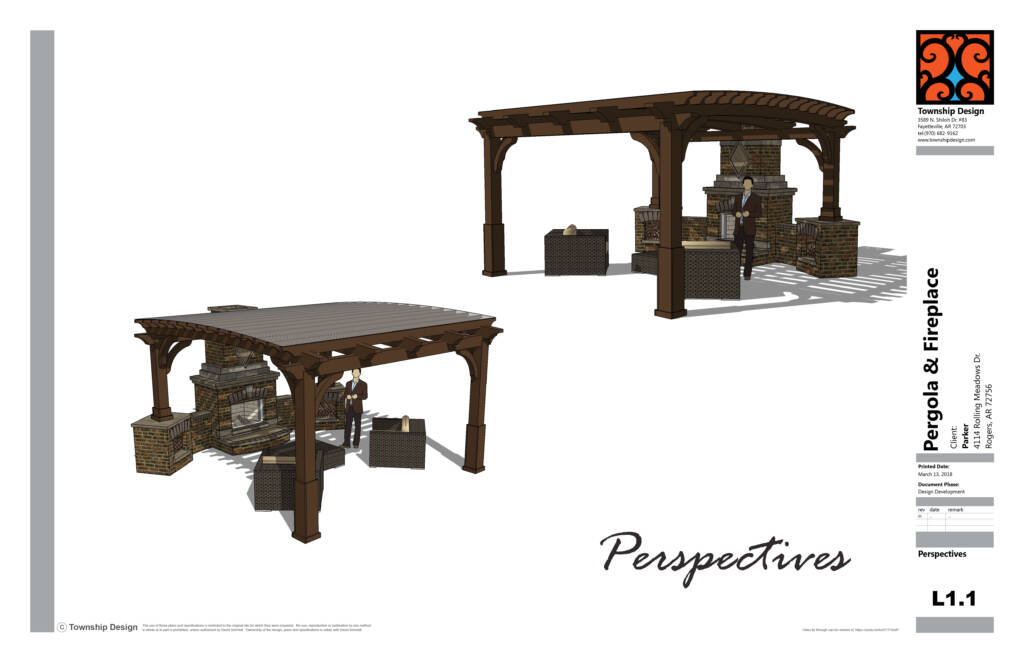
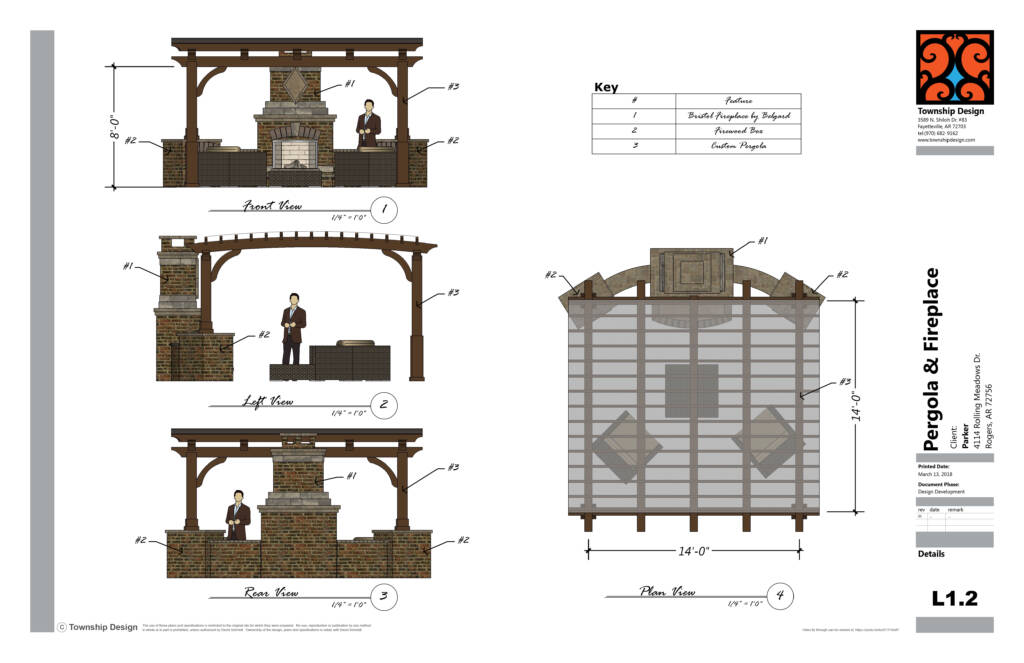
Covered outdoor structures, such as cabanas, pavilions, and outdoor rooms, are reviewed similarly to small buildings. Depending on the scope, they may require:
- A building permit for an accessory structure
- Structural engineering for foundations and roof systems
- Wind load compliance and product approvals
- Separate electrical, plumbing, mechanical, and gas permits
Accessory structure setbacks are often more restrictive than those for the main residence, which can significantly affect site layout if not confirmed early.
Landscape & Site Work Is Often Part of the Permit Review
While basic planting may not require a standalone permit, landscape and site work tied to permitted construction often does. This commonly includes:
- Irrigation systems connected to potable water
- Retaining walls or seat walls with structural components
- Grading or drainage modifications around pools and decks
- Tree removal or impacts to protected trees
Because these elements affect stormwater flow, inspections, and site safety, landscape documentation is frequently reviewed alongside pool and structure permits.
The Hidden Risk: Missed Trade Permits
Some of the most common inspection failures on outdoor projects stem from permits that were never pulled, such as:
- Gas permits for fire pits, grills, or heaters
- Electrical permits for landscape lighting systems
- Mechanical permits for outdoor fireplaces or vent hoods
These oversights often result in last-minute delays or costly retroactive permitting.
Why Early Coordination Matters
Outdoor living projects succeed when the pool, structure, and landscape scopes are coordinated early, before permits are submitted.
Early coordination allows project teams to:
- Confirm setbacks and flood zone constraints upfront
- Align landscape and irrigation plans with pool layouts
- Anticipate drainage and tree protection requirements
- Reduce permit comments and inspection delays
- Minimize redesign and field changes during construction
Builders who approach outdoor work as a coordinated system, rather than separate trades, experience smoother permitting and more predictable construction timelines.
Builder Takeaway
Pools, cabanas, and outdoor living features are multi-permit construction scopes, not accessories. Clear documentation and early coordination among builders, pool contractors, designers, and engineers significantly reduce risk and keep projects on track.
For a builder-focused breakdown of how we support permitting and coordination, visit our Services page.