
Why Palms Matter in Jacksonville Landscapes
The best palms for Jacksonville landscapes provide structure, movement, and a strong sense of place. However, not every palm that looks good in Florida performs well in Northeast Florida. Because Jacksonville lies near the northern edge of many palms’ cold-tolerance limits, careful selection is critical.
Additionally, palms require more long-term maintenance than many trees. As a result, choosing locally proven palms helps avoid cold damage, nutrient deficiencies, and premature decline.
At Township Design, we focus on palms that balance visual impact with durability, using species that consistently perform across residential, commercial, and community landscapes in Jacksonville.
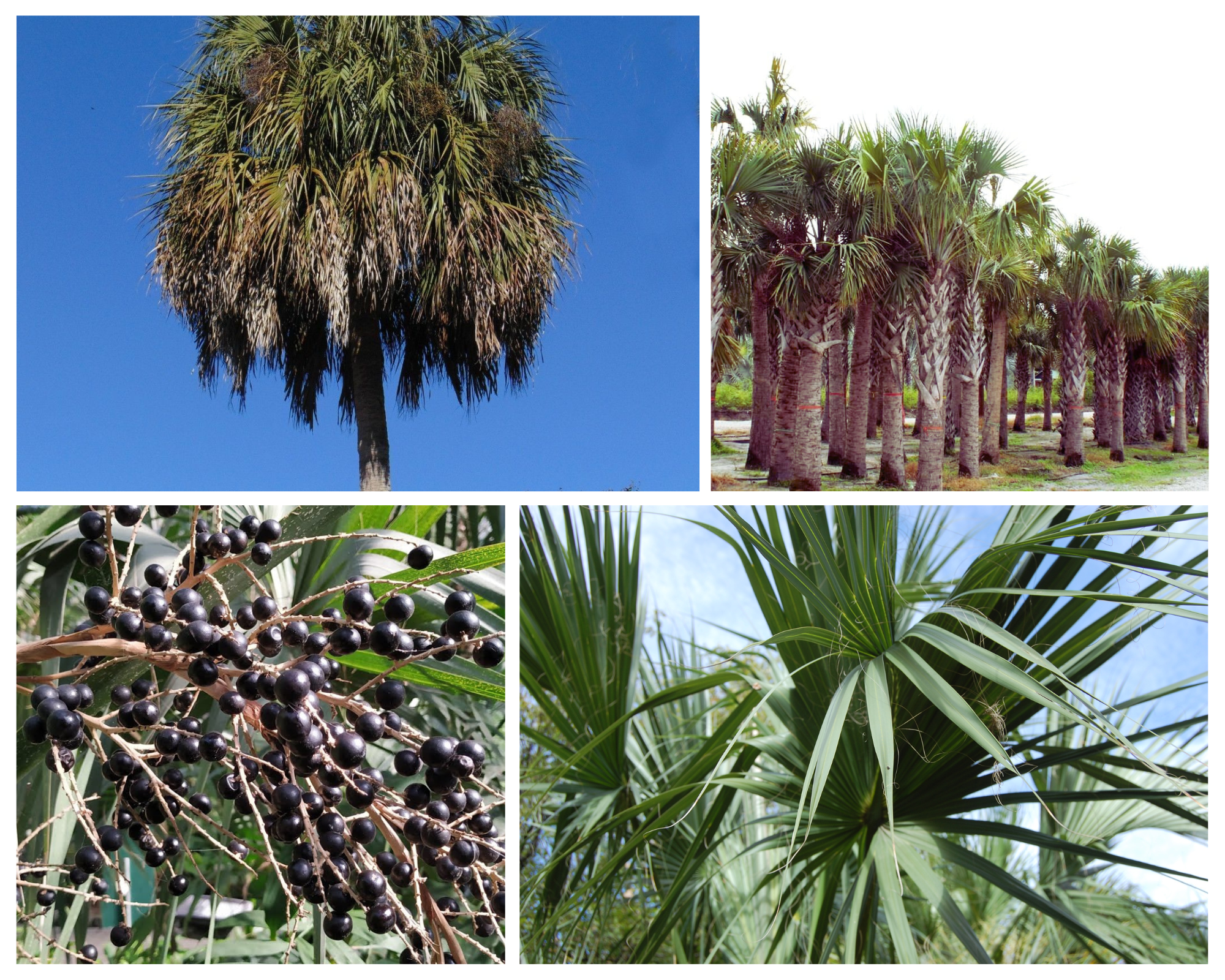
#1 Sabal Palm (Sabal palmetto)
Sabal Palm is Florida’s state tree and one of the most dependable palms for North Florida. Its flexible fronds and strong trunk provide excellent wind resistance, even during severe storms.
Additionally, Sabal Palm adapts well to sandy, upland, and coastal soils. Because it requires minimal maintenance once established, it remains a top choice for both public and private landscapes.
Best uses:
Streetscapes, coastal sites, residential accents
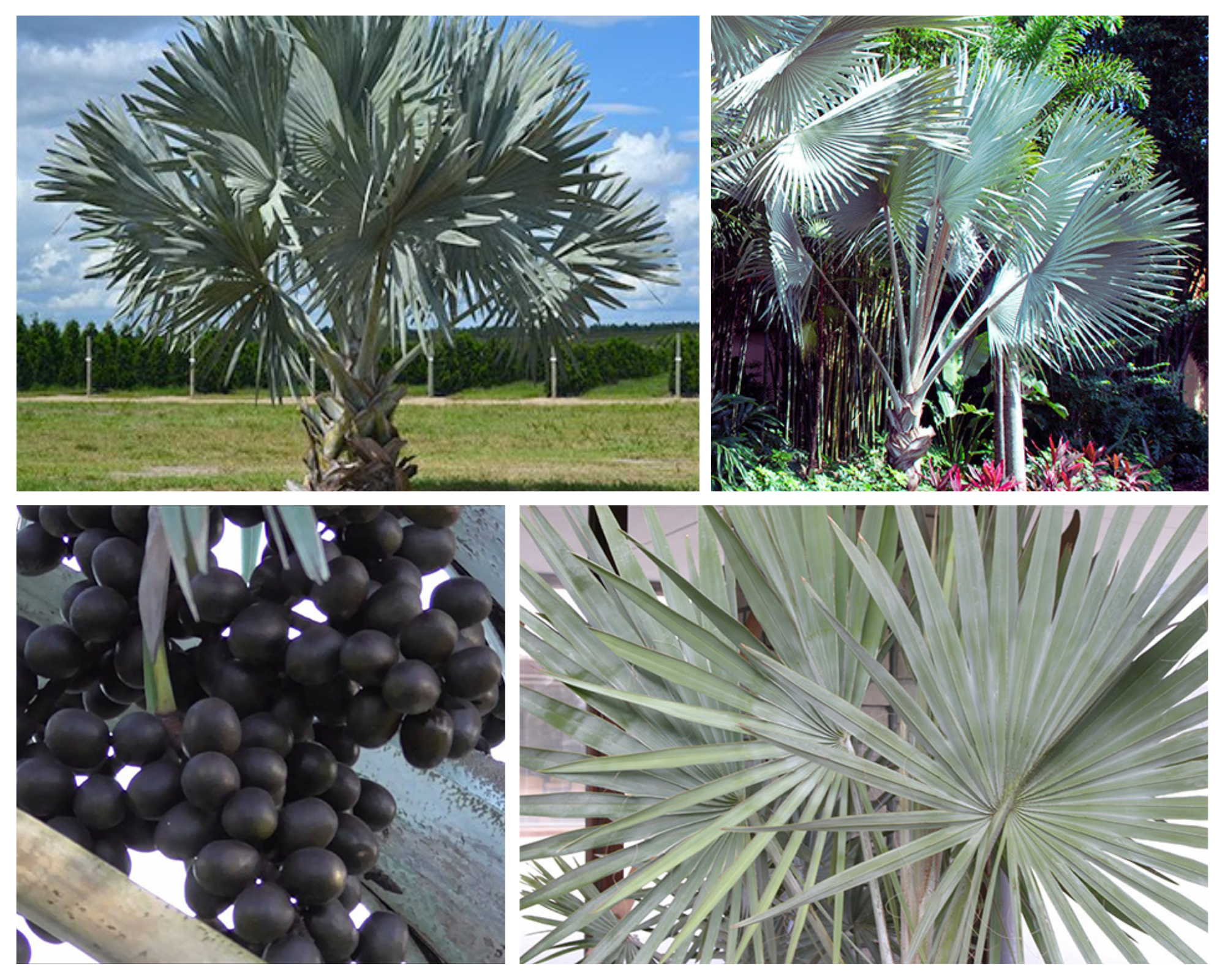
#2 Bismarck Palm (Bismarckia nobilis)
Bismarck Palm delivers bold visual impact with its massive silver-blue fronds and symmetrical form. When placed intentionally, it becomes a dramatic focal point within larger landscapes.
However, this palm requires ample space to mature properly. As a result, it performs best where scale and spacing have been carefully considered.
Best uses:
Entry features, specimen plantings, and large properties
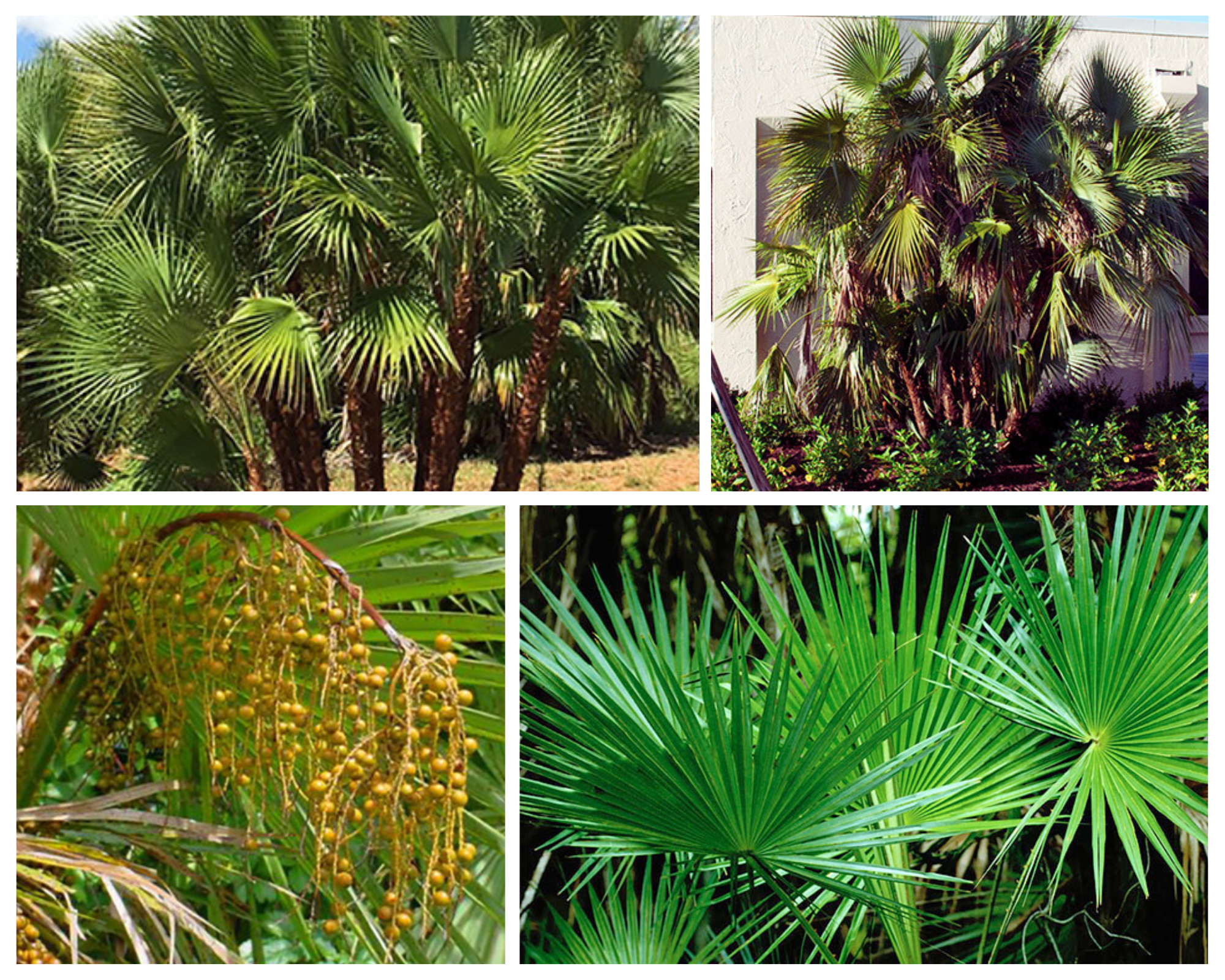
#3 Paurotis Palm (Acoelorrhaphe wrightii)
Paurotis Palm is a Florida native well-suited for wet sites and naturalized landscapes. Its multi-trunk, clustering habit adds texture while maintaining a softer, organic appearance.
Meanwhile, it tolerates periodic flooding and performs well near stormwater features. Because of this, it is often used in environmentally sensitive designs.
Best uses:
Wet areas, native landscapes, stormwater edges
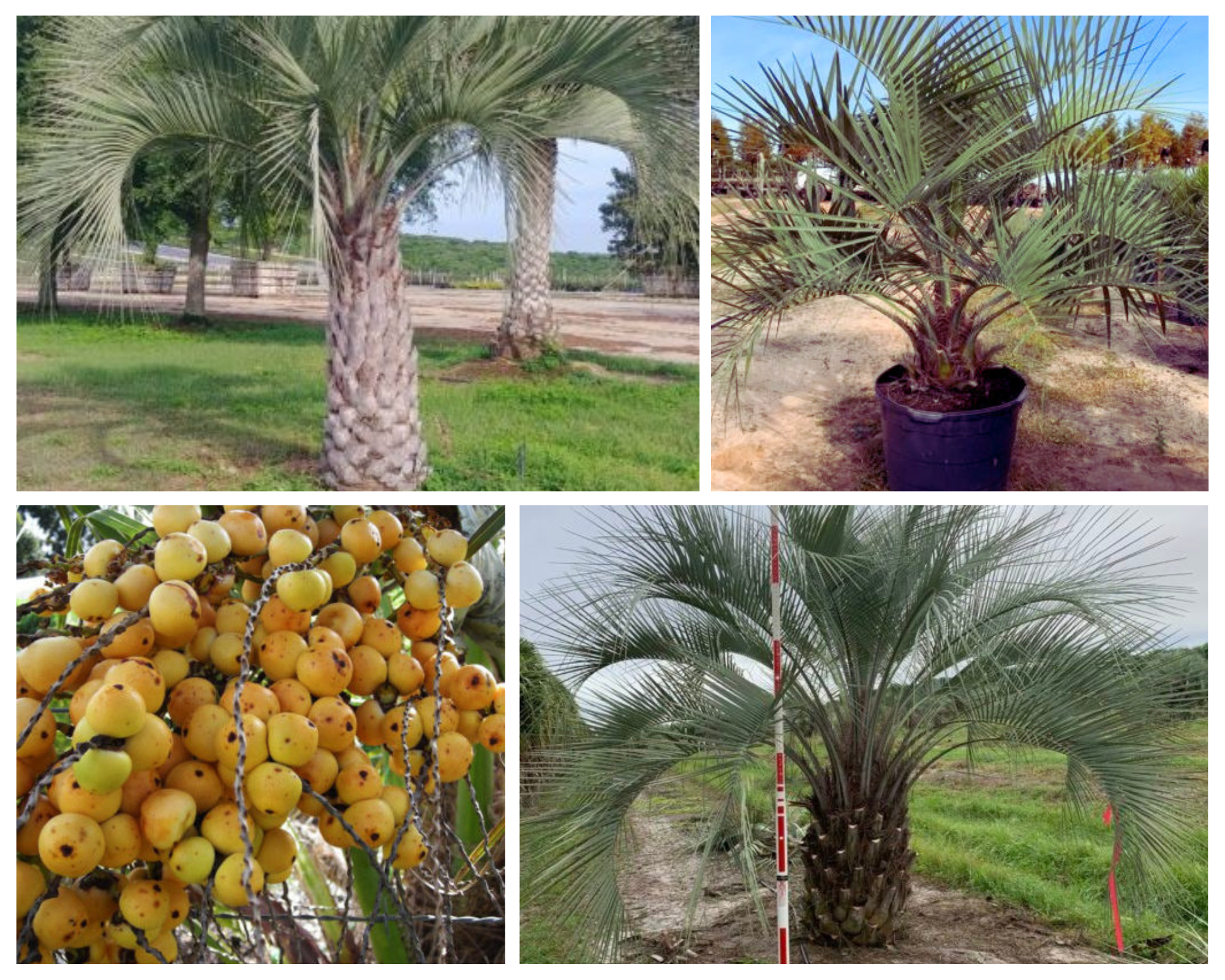
#4 Pindo Palm (Butia capitata)
Pindo Palm offers excellent cold tolerance and a graceful, spreading form. Its blue-green fronds and ornamental fruit add character to residential landscapes.
Additionally, its slower growth rate makes it easier to manage over time. As a result, it works well as a specimen palm where long-term control matters.
Best uses:
Residential accents, specimen plantings
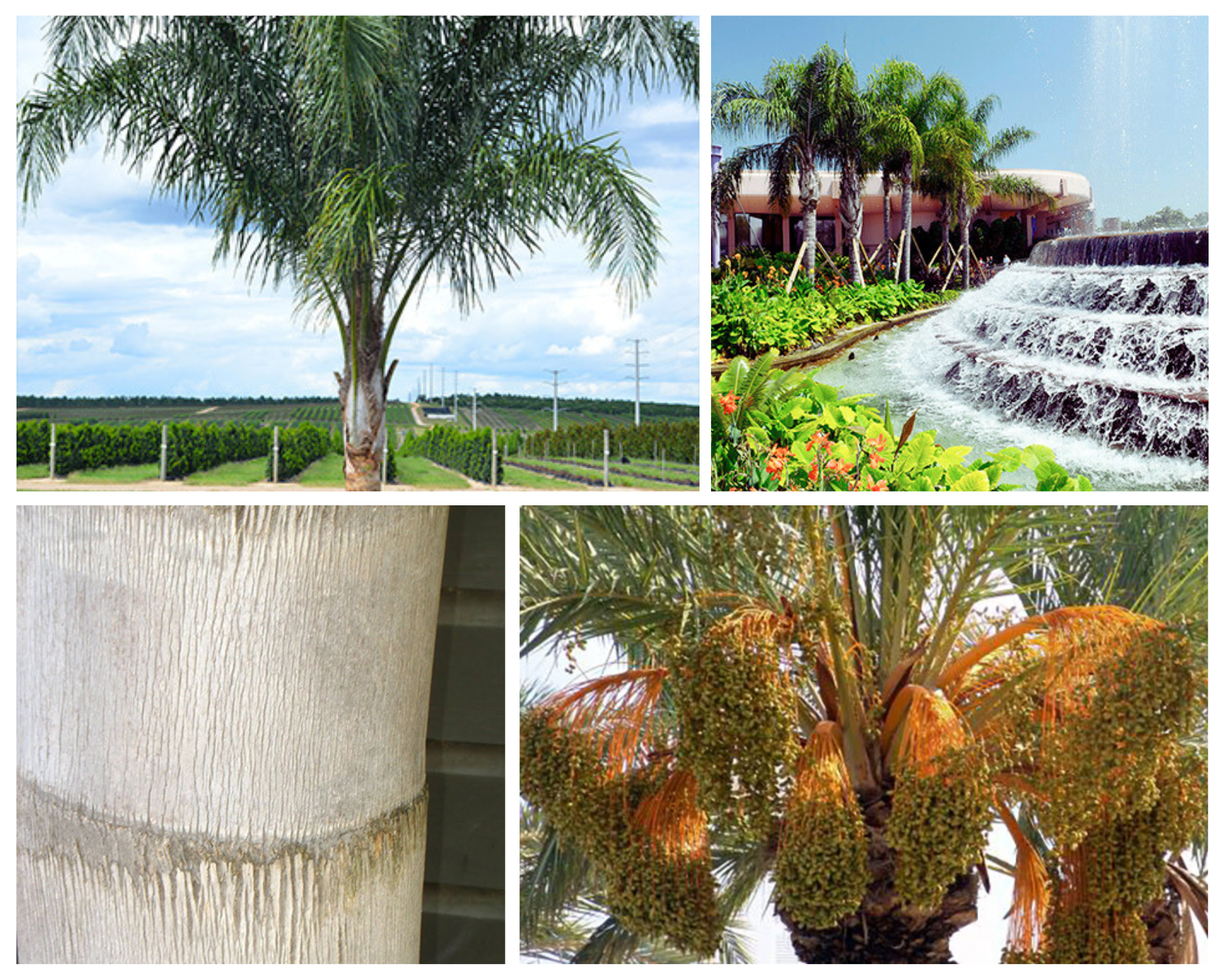
#5 Queen Palm (Syagrus romanzoffiana)
Queen Palm grows quickly and provides a tall, tropical appearance. Because of this, it is frequently used in streetscapes and mass plantings.
That said, Queen Palms require consistent maintenance and nutrient management. Therefore, they are best suited for projects with an active landscape care program.
Best uses:
Streetscapes, large-scale plantings
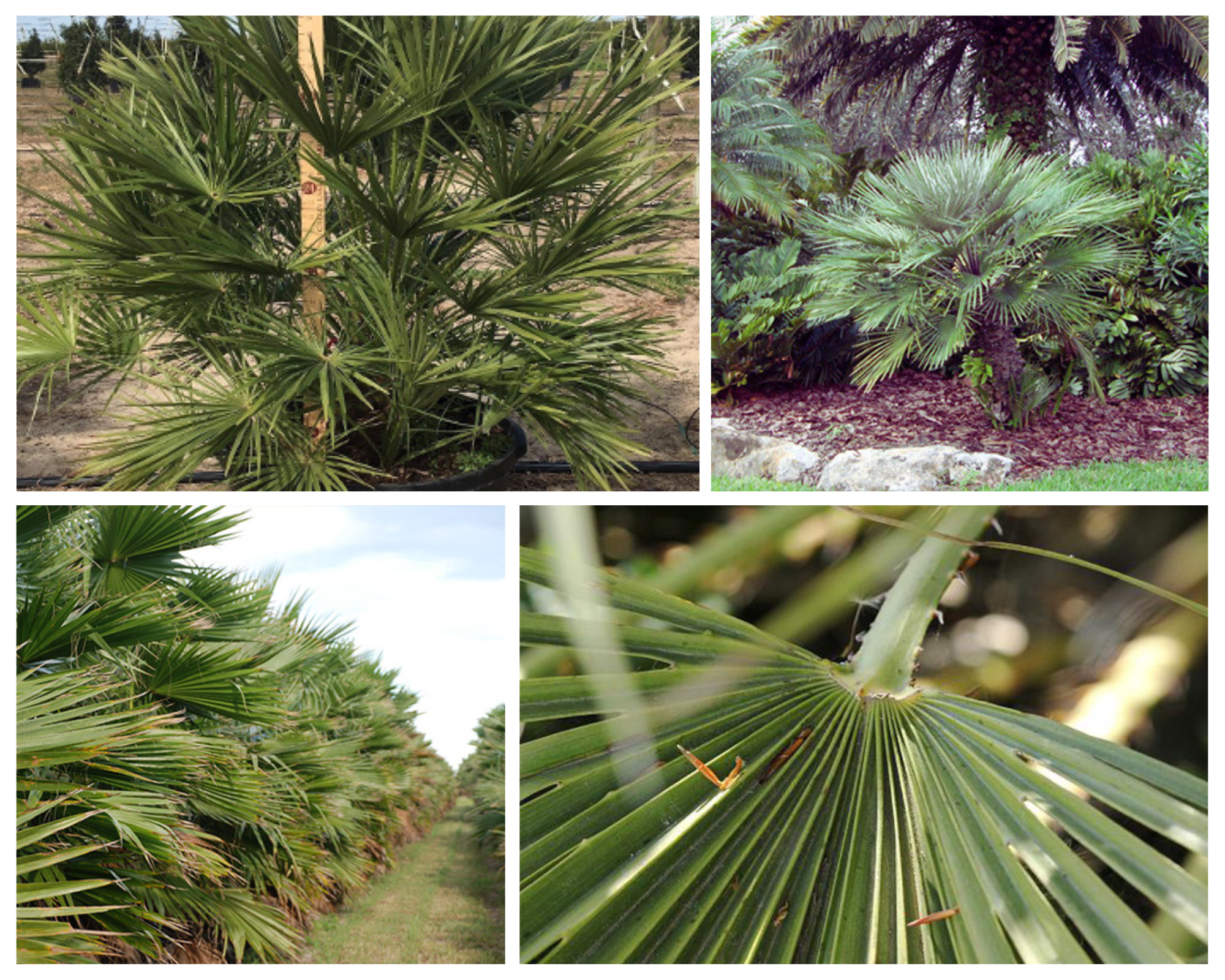
#6 European Fan Palm (Chamaerops humilis)
European Fan Palm is compact, cold-hardy, and highly versatile. Its clumping form makes it ideal for courtyards, foundations, and smaller planting areas.
In contrast to taller palms, it provides texture and structure without overpowering nearby spaces.
Best uses:
Foundation plantings, courtyards, and small gardens
Choosing the Right Palm for Your Site
Ultimately, selecting the best palms for Jacksonville depends on site conditions, available space, and long-term maintenance goals. Soil type, exposure, and proximity to structures all influence success.
For that reason, palms should be selected as intentional design elements rather than decorative afterthoughts. When chosen carefully, they provide structure and identity year-round.
Explore our landscape design services → Explore our landscape design services
Another great resource → Florida-Friendly Landscaping™ principles (IFAS or City of Jacksonville)
Ready to Add Palms to Your Landscape?
If you’re planning a new landscape or refining an existing design, Township Design can help you select palms that thrive in Northeast Florida. Request a free landscape consultation today – click here.